A squeal every time you slow down, a pedal that suddenly sinks lower than usual, or a vibration through the steering wheel when you brake hard are not sounds or sensations to shrug off. These are often the first clues that it’s time to fix truck brakes before a minor issue turns into a bigger, more expensive repair. Brake problems can range from something as routine as worn pads to more serious hydraulic or component failures, and the symptoms alone don’t always tell you which one you’re dealing with.
That’s exactly why identifying the actual cause matters before jumping straight to replacing parts. A grinding noise might mean pads, or it might point to something happening at the rotor or caliper level. This article walks through the warning signs worth watching for, what a typical repair process looks like, which components are usually involved, how much repairs tend to cost, when it becomes unsafe to keep driving, how long repairs typically take, and the maintenance habits that help you avoid problems in the first place. We’ll start with the signs that tell you it’s time to act.
Why Brake Warning Signs Mean It’s Time to Act
Brakes rarely fail without warning. In most cases, a vehicle gives off signals well before a truck brake problem becomes serious, whether that’s a sound, a change in pedal feel, or a longer distance needed to stop. Recognizing these signals early is one of the simplest ways to protect both your safety and your budget, since catching an issue while it’s still minor is almost always easier and cheaper than waiting until it becomes a full brake repair. The two categories below separate everyday wear indicators from signs that call for more urgent attention.
Early Symptoms That Point to Brake Wear
A light squealing or squeaking sound when you brake, a noticeably longer stopping distance than usual, or visible thinning on the brake pad through the wheel spokes are typical early indicators of normal wear. Grinding is a step beyond this and usually means the pad material has worn down enough that metal is contacting metal, which should prompt a closer look sooner rather than later.
Warning Signs That Need Faster Attention
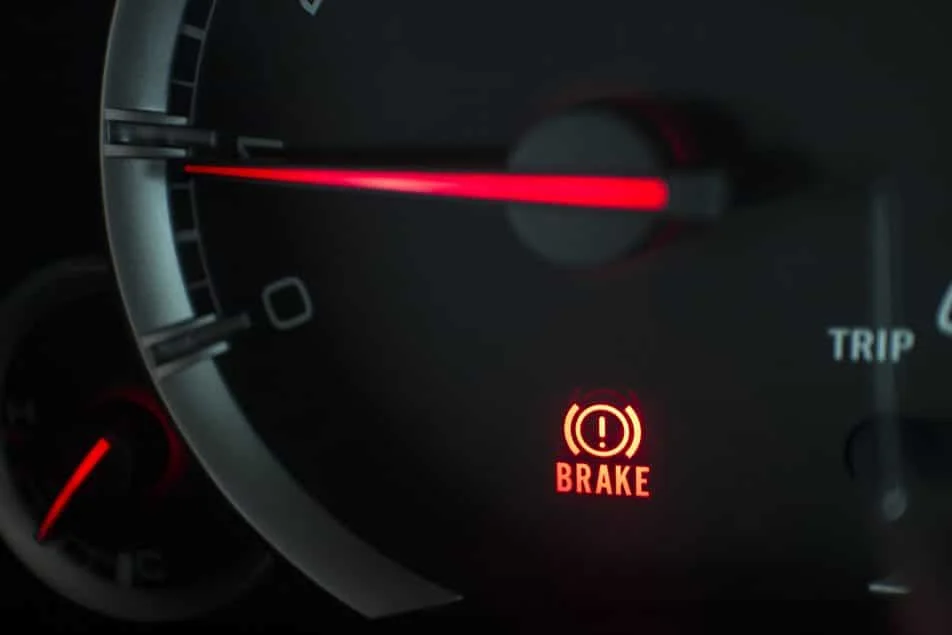
A brake warning light on the dashboard, visible fluid leaking near a wheel, severe vibration when braking, a pedal that feels soft or sinks toward the floor, the truck pulling to one side, or any sudden loss of braking response are signs that deserve faster attention. These symptoms often point to something beyond routine pad wear and are worth having inspected as soon as possible for the sake of brake safety.
How a Truck Brake Repair Process Usually Works Today
Understanding what happens during a professional truck brake repair can make the process feel far less uncertain before you book a brake repair service. A qualified technician typically works through a structured sequence rather than jumping straight to a single fix, since brake systems involve several interconnected parts that all affect how the vehicle stops. When a truck needs professional attention at its location, a mobile mechanic service may provide a convenient way to arrange on-site assistance, depending on the issue and service availability.
Start With a Complete Brake Inspection
A thorough inspection usually begins with a visual and functional check of the pads, rotors, calipers, brake fluid, brake lines, pedal feel, and any dashboard warning lights. This gives the technician a full picture of the system rather than a narrow view limited to whatever symptom prompted the visit.
Identify the Actual Source of the Brake Problem
Rather than assuming every issue traces back to worn pads, a technician matches the specific symptoms reported, whether that’s noise, vibration, or pedal changes, to the components most likely responsible. This step is what separates an accurate diagnosis from a guess.
Check Brake Pads and Rotor Condition
Pad thickness, uneven wear patterns, and any visible rotor scoring, warping, or rust are assessed at this stage. These conditions often explain noise, vibration, or reduced stopping performance on their own.
Inspect Calipers, Hardware, and Brake Fluid
Caliper movement, piston condition, mounting hardware, and the condition of the brake fluid and hoses are checked next, since a sticking caliper or degraded fluid can affect braking even when the pads and rotors look acceptable.
Choose Repair or Replacement Based on Condition
Once the inspection is complete, the technician determines whether a component can be serviced as-is or whether replacement is the safer and more appropriate route, based on wear, damage, and how the part is likely to perform going forward.
Complete the Repair and Verify Brake Performance
After repairs are made, proper installation, fluid levels, pedal response, and torque specifications are checked to confirm the work meets the standards the vehicle requires before it’s considered complete.
Test the Vehicle Before Returning It to Regular Use
A controlled test drive helps confirm that the pedal feels firm and predictable and that the vehicle stops evenly, which is the final check before the truck is considered ready for regular driving again.
Which Brake Parts Can Cause Stopping Problems?
Not every stopping issue traces back to the brake pads, even though that’s often the first assumption. A modern brake system relies on several components working together, and understanding each one helps prevent the mistake of replacing pads when the actual issue lies elsewhere. For serious mechanical concerns affecting a commercial vehicle, heavy duty repair service can be relevant when the truck needs professional diagnosis and repair.

Brake Pads and Their Role in Stopping
Brake pads use friction material pressed against the rotor to slow the vehicle, and that material naturally wears down over time. Thin pads or uneven wear across the pad surface are among the most common reasons brake pad replacement becomes necessary.
Brake Rotors and Common Damage Patterns
Rotors can develop scoring, uneven surfaces, heat-related warping, or corrosion over time, particularly if worn pads have been left in place too long. These conditions frequently show up as vibration or pulsation during braking.
Brake Calipers and Uneven Braking
A caliper that sticks, seizes, or leaks can cause uneven pad wear and throw off the balance of braking force between wheels, which sometimes feels like pulling or inconsistent stopping power.
Brake Fluid, Lines, and Hydraulic Pressure
Brake fluid transmits the pressure that makes braking possible, so contaminated, low, or leaking fluid can noticeably change how the pedal responds and how effectively the vehicle slows down.
Brake Hardware and Small Parts Matter Too
Clips, shims, slides, seals, and hoses are easy to overlook, but worn or damaged hardware in any of these areas can contribute to noise or uneven operation even when the larger components are in decent shape.
How to Decide What Brake Repair Your Truck Needs
Brake symptoms can be genuinely confusing because the same sensation, like shaking or a soft pedal, can sometimes trace back to more than one possible cause. Working through symptoms methodically makes it easier to understand what your vehicle is actually telling you rather than guessing at a fix.
Match Brake Noise With the Likely Cause
An occasional light squeak is often just normal pad wear indicators doing their job, while persistent squealing, grinding, or rattling usually points to something that needs closer attention, ranging from worn pads to loose hardware.
Understand Shaking and Brake Pedal Pulsation
Shaking felt through the steering wheel often relates to rotor condition, while a pulsing sensation in the pedal itself can sometimes be normal ABS activity rather than a sign of a problem, depending on when and how it occurs.
Check What a Soft Brake Pedal May Indicate
A pedal that feels soft, spongy, or sinks lower than expected can point to air in the brake lines, a fluid leak, or degraded fluid condition, all of which call for inspection rather than being ignored.
Know Why a Brake Pedal Can Feel Hard
A pedal that suddenly feels unusually hard to press can indicate a booster issue or another hydraulic or mechanical concern, and a sudden change like this shouldn’t be dismissed as simply “different.”
Recognize Pulling During Braking
A vehicle pulling to one side while braking can stem from uneven braking force, a caliper issue, mismatched pads, or even tire-related factors, which is why this symptom often benefits from a full inspection rather than a single-part assumption.
Use Warning Lights as a Diagnostic Clue
Brake and ABS warning lights each carry different meanings, and it’s a mistake to assume every illuminated light points to the same underlying issue. A computer diagnostic scan can help pinpoint exactly which sensor or system triggered the light before any parts are replaced. Treating the light as a starting point for diagnosis, rather than a final answer, leads to a more accurate repair.
What Different Brake Noises Can Tell You About Repairs
Brake noise is one of the most common reasons drivers first suspect something is wrong, and different sounds tend to point in different directions. A light, occasional squeak is frequently just a normal part of how certain pad materials behave and doesn’t necessarily signal a problem. Persistent squealing, on the other hand, often means pad wear indicators are doing exactly what they’re designed to do: alert you before the pad wears down completely.
Grinding is a more serious sound and usually means the pad material has worn away enough that metal is contacting metal, which can quickly damage rotors if left unaddressed. Clicking or rattling noises frequently point toward loose hardware rather than the pads or rotors themselves. A few common examples worth distinguishing include:
- A light, intermittent squeak that comes and goes with weather or driving conditions
- A consistent, high-pitched squeal that continues across most stops
- A grinding or scraping sound, especially at low speeds
- A rattling or clicking noise, particularly over bumps
Continuing to drive with grinding noise in particular tends to increase the damage to rotors and calipers, turning a moderate repair into a more involved one.
Why Your Truck May Shake When Braking Hard and What It Means
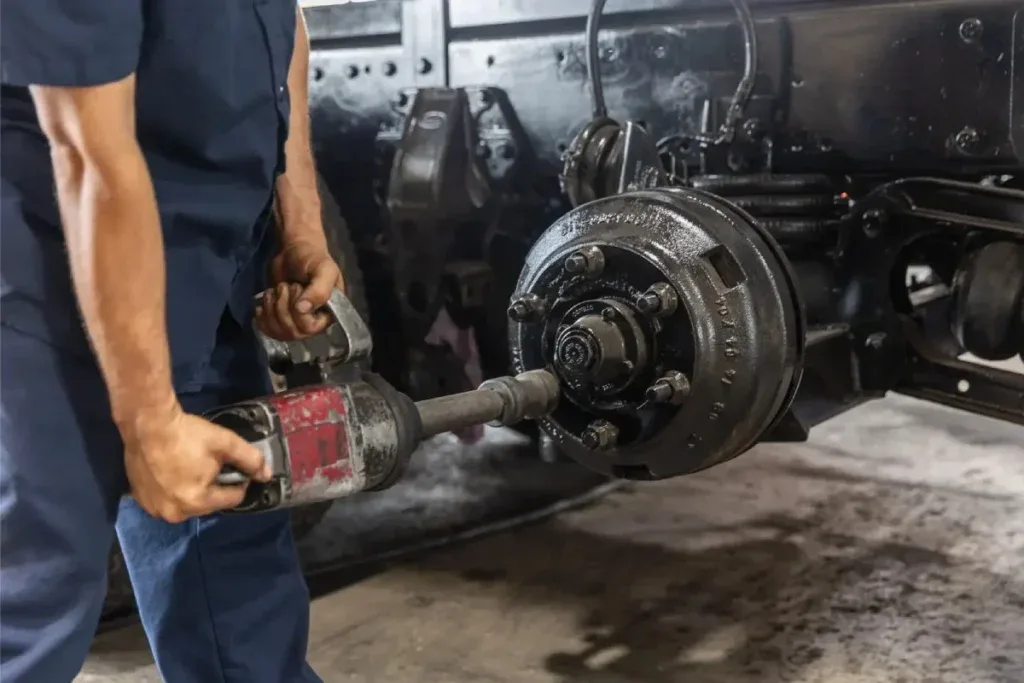
Shaking or vibration felt through the steering wheel during braking is usually different from the pulsing sensation some drivers feel in the pedal itself during an ABS event. Steering wheel shake specifically tends to point toward rotor condition, often caused by uneven surfaces or heat-related warping that develops over time, especially with hard or repeated braking.
This is different from the brief pulsation that can occur in the brake pedal when the anti-lock braking system activates during hard braking on a slippery surface, which is a normal safety feature rather than a sign of a problem. The distinction matters because one situation calls for inspection while the other doesn’t necessarily indicate an issue at all. If shaking during braking happens consistently, even on dry roads and during normal stops, it’s worth having the rotors checked.
How Worn Brake Pads Affect Rotors and Overall Safety
Delaying brake pad replacement doesn’t just mean living with more noise. Once a pad wears down completely, metal-to-metal contact begins occurring between the caliper and the rotor, which can score, groove, or otherwise damage a rotor surface that would have otherwise remained in good condition. This is one of the more preventable ways a smaller repair turns into a larger one.
Uneven pad wear can also contribute to rotor damage, since a pad that isn’t contacting the rotor evenly puts uneven pressure across the surface. A few signs that pad wear may already be affecting the rotors include:
- A grinding sound that wasn’t present before
- Visible scoring or grooves on the rotor surface
- Vibration that has developed gradually rather than suddenly
- A noticeably longer stopping distance than before
Addressing pad wear before it reaches this point is generally far more cost-effective than waiting until rotor damage becomes part of the repair.
What Can Make a Brake Pedal Feel Soft or Hard
Pedal feel is one of the more reliable indicators of how well a brake system is functioning, and any noticeable change deserves attention. A soft, spongy, or unusually low pedal often points toward air trapped in the brake lines, a fluid leak somewhere in the system, or brake fluid that has degraded and needs to be flushed and replaced. These issues affect hydraulic pressure, which directly changes how the pedal responds under your foot.
A pedal that suddenly feels hard or requires significantly more force than usual can indicate a problem with the brake booster or another part of the hydraulic or mechanical system. Because pedal feel tends to change gradually with normal wear, a sudden shift in either direction, whether the pedal becomes noticeably softer or harder, is more significant than a slow change over months and generally warrants a prompt inspection rather than a wait-and-see approach.
When It May Be Unsafe to Drive With Bad Brakes
Some brake symptoms cross the line from “needs attention soon” to “should not be driven on until inspected.” Recognizing this distinction matters for brake safety, since continuing to drive in these situations increases the risk of a serious failure at the wrong moment.
- Severe grinding that suggests pads have worn through completely
- A major, visible fluid leak near a wheel or under the vehicle
- Dramatically reduced braking power or a pedal that sinks to the floor
- A warning light accompanied by any of the symptoms above
- A sudden, unexplained change in how the pedal feels or responds
If you notice any of these signs, it’s worth arranging brake system repair before continuing to drive rather than hoping the issue holds until a more convenient time. Vehicles showing these symptoms are safer to tow. If another mechanical issue also prevents the truck from operating safely, mobile diesel repair may be worth exploring based on the vehicle’s needs and the provider’s service coverage.
What Brake Repair Costs Usually Depend On Today
There’s no single number that accurately represents what fixing truck brakes will cost, since the final price depends on several factors specific to your vehicle and the extent of the problem. Anyone quoting one flat price without knowing these details is making an assumption rather than giving you an accurate estimate.
Vehicle type and size play a role, since larger vehicles often require larger, more expensive components. Whether the repair involves only pads or extends to rotors, calipers, fluid, and hardware makes a significant difference, as does which axle is involved, since front and rear systems sometimes carry different costs. Additional damage discovered during inspection, such as a rotor that needs resurfacing or a caliper that’s begun leaking, will also affect the total. Key cost factors include:
- Whether the repair is pads-only or involves rotors and calipers as well
- Vehicle make, model, and whether parts are OEM or aftermarket.
- Labor rates, which vary by shop and region
- Front versus rear axle differences in parts and labor
- Any additional damage found during inspection
Getting an itemized estimate before approving any work helps you understand exactly what you’re paying for and why, rather than receiving a single lump-sum number with no breakdown.
How Long Typical Brake Repairs May Take to Finish
Repair time varies considerably depending on what the vehicle actually needs, so it’s worth setting realistic expectations rather than assuming every job takes the same amount of time. A straightforward pad replacement on a vehicle with no other issues is typically one of the quicker jobs a shop handles.
Work that also involves rotors, calipers, or brake fluid takes longer, since each additional component adds its own inspection, removal, and installation steps. Seized hardware, corroded bolts, or the need for additional diagnosis because the initial symptoms didn’t point clearly to one cause can extend the timeline further. Rather than expecting a fixed number of hours for every vehicle, it’s more useful to ask the shop for a time estimate once they’ve identified exactly what the repair involves.
Brake Pad vs Rotor vs Caliper Repair Needs Explained
Each major brake component tends to show its own pattern of warning signs and calls for its own type of response. The table below summarizes how pads, rotors, and calipers typically differ.
| Component | Common Warning Signs | Typical Issue | Possible Repair | When Inspection Becomes Important |
| Brake Pads | Squealing, grinding, longer stopping distance | Worn friction material | Brake pad replacement | When pad thickness looks thin or noise begins |
| Brake Rotors | Vibration, pulsation, visible scoring | Warping, scoring, or corrosion | Resurfacing or rotor replacement | When shaking occurs during braking |
| Brake Calipers | Pulling to one side, uneven pad wear, leaks | Sticking, seizing, or leaking | Caliper repair or replacement | When braking feels uneven between wheels |
Brake Maintenance Habits That Help Prevent Repairs
Consistent maintenance is one of the most effective ways to catch a developing truck brake problem before it turns into a larger repair. A few habits make a meaningful difference over time:
- Have brake pads and rotors visually inspected at regular service intervals
- Check brake fluid condition and level periodically, not just when a warning light appears.
- Pay attention to new or changing noises rather than dismissing them.
- Follow the maintenance intervals recommended for your specific vehicle.
- Adjust driving habits, such as reducing hard, late braking, to ease wear on pads and rotors.
Staying ahead of these areas, particularly brake fluid condition and pad wear, tends to catch small issues while they’re still inexpensive to address, which supports both long-term brake safety and a lower overall repair bill.
How to Compare Brake Repair Recommendations Carefully
When a shop hands you a repair recommendation, it helps to know what questions to ask before authorizing the work, rather than approving everything on the list without context.
- Ask which specific parts were inspected and what condition they were found in
- Ask why a particular replacement is being recommended over a repair.
- Ask which items are urgent versus which can reasonably wait.
- Ask whether the estimate includes parts, labor, and any additional fees.
- Ask for the estimate in writing before work begins.
A clear, specific diagnosis, rather than a vague reference to “brake problems,” is what allows you to understand and trust a recommendation. If a technician can explain exactly what they found and why a particular repair addresses it, that transparency is generally a good sign regardless of which shop you’re working with.
Final Thoughts on Fixing Truck Brakes Safely Today
Brake problems rarely appear out of nowhere. In most cases, the vehicle gives off warning signs, whether through sound, pedal feel, or stopping distance, well before a serious issue develops. Heavy Duty Diesel Specialist can help identify these early warning signs through proper brake inspections and timely repairs, keeping repair costs manageable and your vehicle safe to drive.
Correct diagnosis matters just as much as the repair itself, since brake pads, rotors, calipers, and fluid each play a distinct role in how a vehicle stops, and treating every symptom as a pad issue can lead to missed problems elsewhere. Whether you’re dealing with an unfamiliar noise, a change in pedal feel, or a dashboard warning light, Heavy Duty Diesel Specialists can help with a professional brake inspection that gives you a clear picture of what your vehicle actually needs and helps you make a confident, informed repair decision.
FAQs About Fixing Truck Brakes and Brake Repair
Brake repair decisions often come with a handful of recurring questions, especially around timing, safety, and cost. The following answers address common concerns about symptoms, replacement timing, safety, cost, and repair decisions, and our additional vehicle FAQs cover other common service questions beyond brakes. These are meant as general guidance rather than a substitute for a hands-on inspection of your specific vehicle.
Inspection intervals vary by vehicle and driving habits, but having pads checked at regular service visits, or sooner if you notice noise or reduced stopping performance, helps catch wear before it reaches metal-to-metal contact.
A sudden, dramatic loss of braking response is a serious safety concern. Pull over as safely as possible, avoid continuing to drive, and arrange for the vehicle to be inspected or towed rather than attempting to reach a distant destination.
Yes. Once pad material wears through, metal-to-metal contact between the caliper and rotor can score or damage a rotor that would otherwise have remained usable, turning a pad-only repair into a more involved one.
An occasional light squeak is often minor, while persistent squealing, grinding, or rattling generally warrants inspection. Grinding in particular should be checked promptly, since it often means pad material has worn through.
A complete repair typically includes inspection of pads, rotors, calipers, and fluid, followed by whatever combination of servicing or replacement the findings indicate, along with a post-repair check of pedal feel and braking performance.