It is hour six of a long haul, the sun is on the windshield, and suddenly the air from the vents turns warm. A hot cab is more than uncomfortable. It wears on a driver’s focus and endurance. So how does truck AC work, and why does it sometimes quit when you need it most? Truck air conditioning is far more than a fan blowing cold air. Several components must work together to pull heat out of the cabin and push it outside. Understanding that process helps drivers recognize cooling problems early and know what maintenance matters.
At the center of the system is the refrigerant cycle, which relies on the compressor, condenser, expansion valve, evaporator, and blower motor. Heavy-duty and commercial truck systems often run for long hours in demanding heat, so each part has to hold up. Let’s walk through the complete cooling process and the components responsible for it.
How Truck AC Turns Heat Into Cool Cabin Air
A truck AC system does not create cold. It moves heat. Refrigerant circulates in a closed loop, absorbing heat from the air inside the cab and releasing it into the air outside. The refrigerant changes between liquid and vapor along the way, and those phase changes are what allow it to carry so much heat. This is the AC refrigerant cycle, and it is the foundation of all truck air conditioning, from a day cab to a sleeper.
Here is the cycle in short:
- The compressor squeezes refrigerant vapor into a hot, high-pressure gas.
- The condenser releases that heat into outside air, turning the gas into a liquid.
- The expansion valve drops the pressure and meters the liquid toward the evaporator.
- The evaporator absorbs cabin heat as the refrigerant turns back into vapor.
- The blower pushes cabin air across the evaporator and out through the vents.
- The refrigerant returns to the compressor, and the cycle repeats.
How Refrigerant Moves Through the Truck AC System
Following the refrigerant from start to finish makes the whole system easier to understand, and it also gives you a logical way to think about cooling problems.
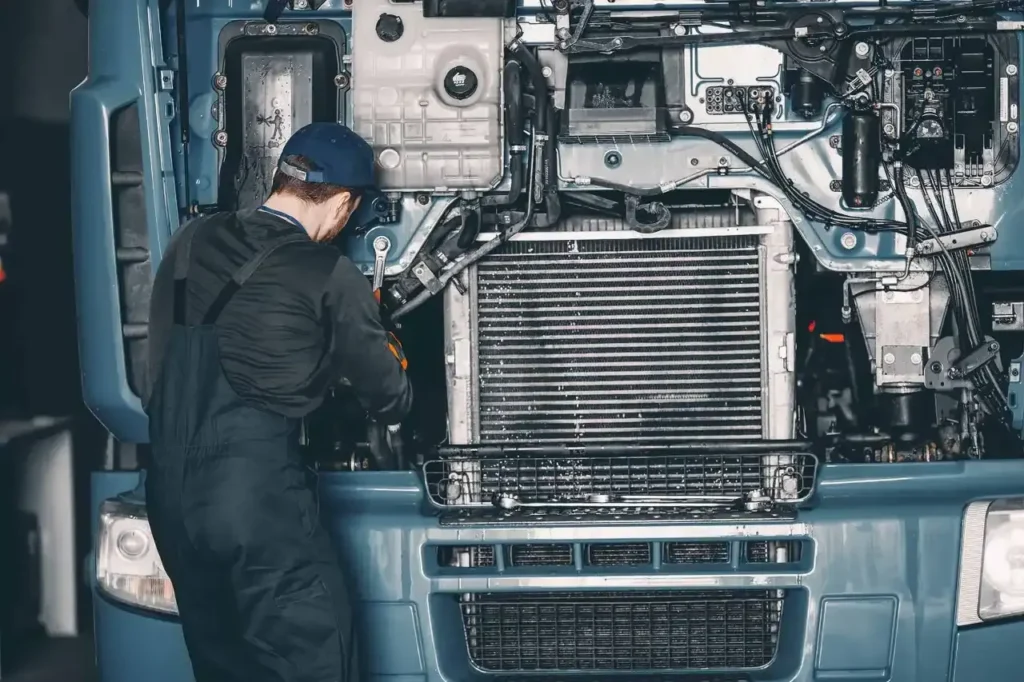
The Compressor Pressurizes the Refrigerant
The AC compressor draws in low-pressure refrigerant vapor and compresses it into a high-pressure, high-temperature gas. Driven by the engine, usually through a belt and an electromagnetic clutch, it also keeps refrigerant circulating through the loop.
The Condenser Releases Heat Into Outside Air
The hot gas flows into the AC condenser, which sits near the front of the truck so air can pass through it. As heat leaves the refrigerant, it condenses from a hot vapor into a high-pressure liquid.
The Expansion Valve Reduces Refrigerant Pressure
The expansion valve meters how much liquid refrigerant enters the evaporator and drops its pressure sharply. That sudden pressure drop makes the refrigerant very cold, preparing it to absorb heat.
The Evaporator Absorbs Heat From Cabin Air
Inside the dash, cold, low-pressure refrigerant flows through the AC evaporator. Warm cabin air passes over its fins, heat transfers into the refrigerant, and the refrigerant boils into a vapor. The air leaving the evaporator is noticeably cooler and drier.
The Blower Motor Pushes Cooled Air Inside
The blower motor drives air across the evaporator and through the ducts. Without it, the evaporator could be ice cold, and you would feel almost nothing at the vents.
Refrigerant Returns to the Compressor
After absorbing heat, the refrigerant leaves the evaporator as a low-pressure vapor and flows back to the compressor. The loop then begins again, running continuously whenever the AC is on.
Climate Controls Regulate Cooling and Airflow
Truck climate control lets the driver set temperature, blower speed, and air distribution. The controls cycle the compressor, manage airflow, and blend air to maintain the cabin environment you selected.
The Key Components That Make Truck AC Work
Knowing the main truck AC components helps when you are talking with a technician or reading an estimate. Here is what each one does.
The AC Compressor Drives the Cooling Cycle
The compressor is often called the heart of the system because it creates the pressure difference that moves refrigerant. If it cannot build pressure or circulate refrigerant, the rest of the system cannot cool.
The AC Condenser Releases Refrigerant Heat
The condenser transfers the heat absorbed from the cabin into outside air. It depends on airflow from driving and from the cooling fan, so it needs to stay clear of debris.
The Expansion Valve Controls Refrigerant Flow
By metering refrigerant into the evaporator, the expansion valve keeps the evaporator working efficiently. Too little flow starves it of refrigerant, and too much can reduce the cooling effect.
The AC Evaporator Pulls Heat From Cabin Air
The evaporator is where the cooling you feel actually happens. Heat from cabin air moves into the refrigerant, and moisture condenses on the coil and drains away.
The Blower Motor Controls Cabin Air Movement
The blower determines how much conditioned air reaches the cabin. A weak or failing blower can make a healthy AC feel like a failing one.
Lines, Controls, and Sensors Complete the System
Refrigerant lines carry the fluid between components, and a receiver-drier or accumulator helps manage moisture and refrigerant flow. Switches, relays, wiring, and pressure or temperature sensors tell the system when to run and protect it from damage.
How Truck Climate Control Manages Cabin Comfort
Cooling hardware is only half the story. Cabin controls decide how that cooling is used, which is why temperature and airflow can vary even when the refrigerant circuit is running properly.
Temperature Settings Tell the System What You Need
The temperature you select tells the climate-control system how much cooling to deliver. On some trucks, it influences compressor cycling and how air is blended, so a mid-range setting may not feel as cold as maximum.
Airflow Settings Direct Conditioned Cabin Air
Vent and mode controls decide where cooled air goes, whether to the face, the floor, or the windshield. Choosing the right outlets helps the cabin cool more evenly, especially in a large sleeper.
Blower Speed Changes the Amount of Cabin Air
A higher blower setting moves more air across the evaporator and into the cabin. That can make the cab feel cooler faster, though it does not make the refrigerant itself colder.
Recirculation Helps Cool Cabin Air Faster
Recirculation reuses the already cooled air inside the cab instead of pulling in hot outside air. On a hot day, this reduces the load on the system and helps the cabin reach a comfortable temperature more quickly.
Sensors Help Maintain Consistent Temperatures
Temperature and pressure sensors give the controls the information they need to cycle the compressor and protect the system. This helps hold a steadier cabin temperature and prevents conditions like evaporator icing.
Heavy-Duty Cabins Place Extra Demands on AC
Long operating hours, large cabin volumes, direct sun, and hot pavement all push heavy-duty truck AC harder than a typical passenger vehicle. A system that runs for days at a time will show wear and neglect sooner.
Why Truck AC Can Blow Warm Air Suddenly
When AC that worked yesterday blows warm today, the cause is not always obvious. Low refrigerant from a leak is one possibility, but so are a compressor or clutch that has stopped engaging, a condenser blocked with debris, a failed fan, an electrical fault such as a blown fuse or bad relay, or a blower problem. Because several faults share similar symptoms, proper truck AC system repair starts with finding the cause rather than assuming one. The compressor in particular depends on the refrigerant charge and electrical signals, so a problem elsewhere can make it shut off.
A simple troubleshooting checklist:
- Check whether air is coming from the vents at all, and how strong it is.
- Listen for the compressor clutch engaging when the AC is turned on.
- Look at the front of the condenser for dirt, bugs, or debris.
- Check that the cooling fan runs when it should.
- Inspect the AC fuse and relay if accessible.
- Note any recent changes, like weak cooling that got gradually worse.
What Low Refrigerant Does to Truck AC Performance
Refrigerant is the medium that carries heat, so too little means less heat moved. With a low charge, the evaporator cannot absorb as much, pressures drop out of range, and cooling gets weak or warm. Many systems also have low-pressure protection that stops the compressor from running to avoid damage, so a low charge can effectively shut cooling off.
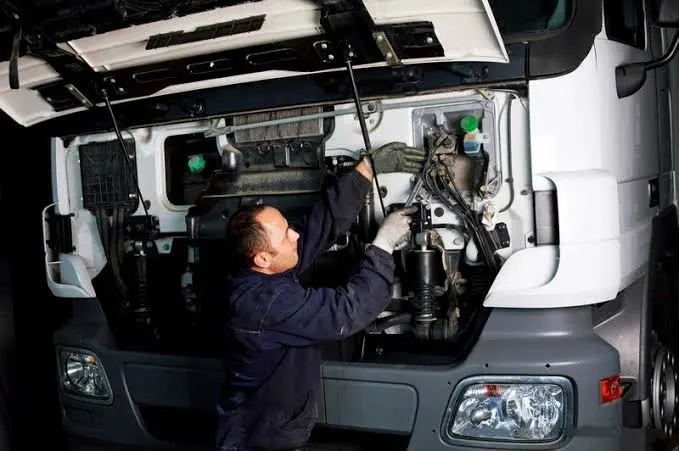
Importantly, a sealed AC system should not normally lose refrigerant. If refrigerant is low, there is usually a leak somewhere in the lines, seals, or components. Simply topping it off may bring cooling back for a while, but it does not fix the underlying problem, and refrigerant is released each time it escapes.
Common signs associated with low refrigerant include:
- Cooling that gradually weakens over days or weeks.
- Air that is cool at first but turns warm.
- A compressor that cycles on and off rapidly or does not engage.
- Oily residue at fittings, hoses, or components.
- Hissing sounds or ice forming on lines.
How AC Pressure Helps Reveal System Problems
AC pressure readings give technicians a window into what the refrigerant is doing. Measured on both the low and high sides of the system, they help show whether the charge is right, whether the compressor is building pressure, and whether something is restricting flow. Acceptable ranges depend on the system, the refrigerant, and the ambient temperature, so readings must be compared to the manufacturer’s specifications rather than a single number.
Pressure alone does not give a diagnosis. A reading is interpreted alongside vent temperature, airflow, ambient heat, and what the components are doing. In a truck AC system, one abnormal reading can have several possible causes, which is why careful truck AC system repair relies on the full picture.
Pressure checks can help investigate:
- Low charge or a refrigerant leak.
- A restriction in the lines, valve, or drier.
- Poor condenser heat rejection from airflow problems.
- A compressor that is not building pressure properly.
- Overcharge or moisture and air in the system.
Common Causes of Truck AC Cooling Loss
Not every cooling problem comes from low refrigerant. Here are the major categories seen on both commercial truck AC and semi-truck AC systems.
Refrigerant Leaks Can Reduce Cooling Capacity
Leaks lower the amount of refrigerant available to carry heat. They commonly occur at hoses, fittings, seals, the condenser, or the compressor, and leak detection is needed to find them before recharging.
Compressor Problems Can Stop Refrigerant Circulation
A worn compressor or a clutch that will not engage can interrupt the refrigerant cycle altogether. Noise, a slipping belt, or no clutch engagement are common clues.
Condenser Airflow Problems Can Raise System Heat
If debris blocks the condenser or the fan is not moving air, the refrigerant cannot release heat. System pressure and temperature climb, and cooling drops, especially at idle or in stop-and-go traffic.
Expansion Valve Problems Can Restrict Refrigerant Flow
A sticking or clogged expansion valve can feed the evaporator too little or too much refrigerant. The result is uneven cooling, frost on lines, or weak performance that does not match the charge.
Evaporator Restrictions Can Reduce Heat Transfer
Dirt, contamination, or a clogged cabin filter can limit airflow across the evaporator, and the coil can also ice up. Either one weakens the cooling reaching the cab.
Electrical and Blower Faults Can Limit Cabin Airflow
Bad switches, relays, wiring, or a failing blower motor can stop properly cooled air from reaching the driver. In these cases, the refrigerant side may be fine, but the cabin still feels hot.
A Practical Approach to Diagnosing Truck AC Problems
Good diagnosis moves from simple checks to deeper testing, so parts are replaced based on evidence and not guesswork.
Start With Cabin Airflow and Temperature
Check how strong the airflow is and how cold the air at the vents feels. Weak airflow points toward the blower, filter, or ducts, while strong but warm air points toward the refrigerant side.
Inspect Belts, Connections, and Visible Components
Look over the compressor belt, hoses, fittings, and wiring for wear, damage, or oily residue. Many problems are visible before any gauges are connected.
Check Refrigerant Circuit Pressures Carefully
With proper equipment, technicians read low-side and high-side pressures and compare them to specifications. These readings help identify abnormal conditions such as a low charge or a restriction.
Test Compressor and Condenser Operation
The technician confirms the clutch engages, the compressor builds pressure, and the condenser sheds heat with the fan running. This separates a circulation problem from a heat rejection problem.
Evaluate Electrical Controls and Blower Operation
Fuses, relays, switches, sensors, wiring, and the blower motor can each limit performance. Testing them rules out simple electrical causes before expensive parts are replaced.
Confirm the Root Cause Before Repair
Proper diagnosis finds the underlying fault. Adding refrigerant or swapping a component without evidence often brings the problem back, costing more time and money in the long run.
How to Keep a Truck AC System Working Reliably
Good truck AC maintenance is mostly about steady habits that help heavy-duty truck AC and commercial truck AC systems last through the hot months.
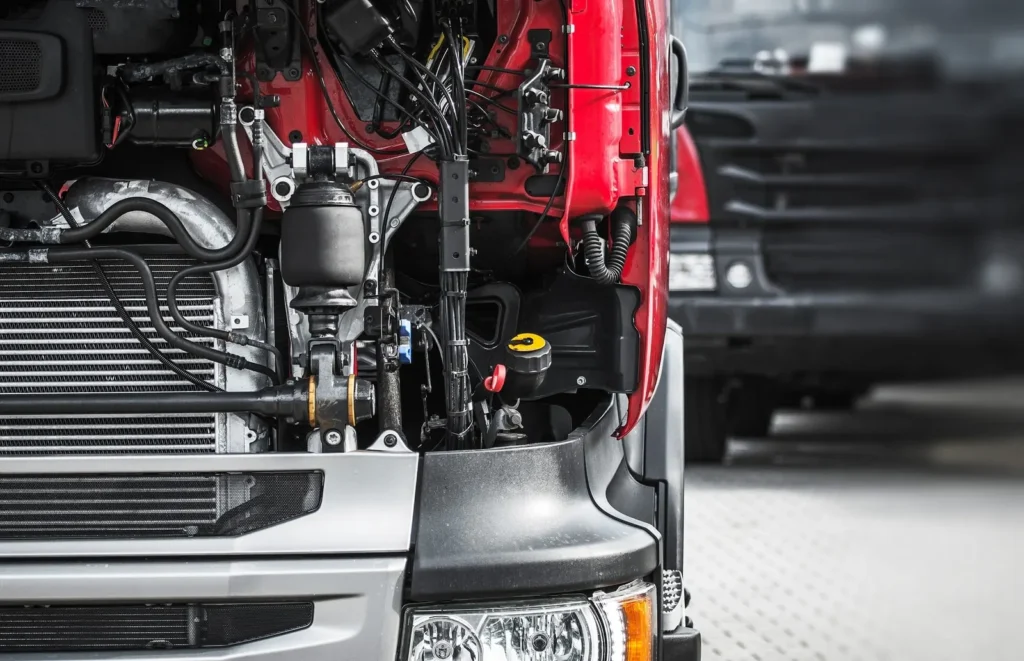
Keep Condenser Airflow Clear and Unrestricted
Dirt, bugs, and road debris can clog the condenser and reduce heat rejection. Keeping the front of the truck clean and having the condenser inspected helps the system shed heat efficiently.
Monitor Cooling Performance Before It Fails
Cooling that slowly gets weaker is often an early sign of a developing issue, such as a small leak. Noticing it early means a simpler repair than waiting for a complete failure.
Inspect Belts and AC Connections Regularly
A worn or loose belt can cause the compressor to slip, and damaged lines or loose fittings can start leaks. Regular visual checks catch many problems early.
Maintain Clean Cabin Airflow Components
Replace cabin filters as recommended and keep vents and blower passages free of dust and debris. Clean airflow helps the evaporator work properly and keeps the blower from straining.
Follow Proper Refrigerant Service Procedures
Refrigerant should be recovered, the system evacuated, leaks tested, and the correct charge added following proper procedures. In the United States, handling refrigerant requires appropriate certification and equipment.
Schedule Professional AC Inspections When Needed
Recurring cooling issues, unusual pressure readings, leaks, compressor noises, or electrical faults justify professional service. Our heavy-duty repair service can inspect and diagnose these problems.
Truck AC Versus Other Heavy-Duty Cooling Needs
The phrase truck cooling system can mean two different things, and mixing them up leads to confusion. Cabin air conditioning keeps the driver comfortable, while the engine cooling system keeps the engine at a safe operating temperature. They are separate circuits that use different fluids and parts, even though both reject heat toward the front of the truck. Understanding the difference matters for diesel truck air conditioning, since a hot cab and an overheating engine have very different causes.
| Purpose | Cools and dehumidifies cabin air | Keeps the engine at a safe operating temperature |
| Primary components | Compressor, condenser, expansion valve, evaporator, blower | Radiator, water pump, thermostat, fan, hoses |
| Fluid involved | Refrigerant (and lubricating oil) | Coolant (antifreeze and water) |
| Heat-transfer location | Evaporator inside the cab and condenser at the front | Engine passages and radiator at the front |
| Common symptoms | Warm air, weak airflow, compressor noise, odors | Rising temperature gauge, coolant loss, steam, overheating |
When Professional Truck AC Repair Makes Sense
Basic checks can rule out simple causes, but some problems need specialized equipment and training. Refrigerant must be recovered and handled properly, and pressure testing, leak detection, and electrical diagnosis require the right tools. Calling a professional for truck AC system repair can prevent wasted parts and improper refrigerant handling, whether you drive a semi-truck AC setup or a smaller commercial truck.
Professional diagnosis is appropriate when:
- Cooling has been lost or keeps weakening.
- You suspect a refrigerant leak or see oily residue.
- The compressor makes noise or will not engage.
- Pressure readings or gauges look abnormal.
- Fuses or relays keep failing.
- The AC has been recharged more than once without lasting results.
Need help on the road? Our team offers mobile diesel repair so you can get diagnosed without losing a day.
Key Takeaways About How Truck AC Works
So, how does truck AC work? A truck AC system moves heat from the cab to the outdoors using a continuous refrigerant cycle. The compressor pressurizes the refrigerant, the condenser releases its heat, the expansion valve lowers its pressure, and the evaporator absorbs heat from cabin air while the blower delivers that cooled air through the vents. Climate controls then regulate temperature and airflow so the cabin stays comfortable.
Because truck air conditioning depends on proper refrigerant flow, heat transfer, airflow, and pressure all at once, a problem in one place can affect the whole system. Regular truck AC maintenance, from keeping the condenser clear to watching for gradual changes in cooling, goes a long way toward preventing breakdowns.
If your truck is struggling to cool, have the problem properly diagnosed instead of repeatedly adding refrigerant or replacing parts without knowing the cause. When you are ready, Heavy Duty Diesel Specialists and we will help you get back to a comfortable cab.
FAQs About How Truck AC Systems Work
Truck AC systems combine refrigeration, airflow, electrical controls, and climate management to keep the cabin comfortable. These questions cover additional concerns readers may have after understanding the basic cooling cycle. The answers below stay practical and focused on real-world operation.
The compressor is driven by the engine, so it turns faster at higher RPM, and driving pushes more air through the condenser. At idle, there is less of both, so cooling is often weaker.
Yes. A condenser clogged with debris cannot release heat well, which raises system pressure and reduces cooling. Keeping it clean is one of the simplest maintenance steps.
You may notice weaker cooling, noise from the compressor, a clutch that will not engage, or warm air. A failing compressor can also send debris through the system, so it should be checked promptly.
Gradually weakening cooling, oily residue at fittings or hoses, and a compressor that cycles oddly are common signs. Confirming a leak takes proper detection equipment, so a professional check is the reliable way to be sure.
It moves more air, so the cab can feel cooler faster, but it does not make the refrigerant colder. If the system is struggling, a higher blower speed will not fix the underlying cause.